
Perhaps We Were Designed to Belong
From the time we’re young, we’re encouraged to discover what makes us special. Be yourself. Stand out. Follow your dreams. Find your passion. Make your mark. Live your truth. Later the language becomes a little more sophisticated, but the message remains much the same. Build your career. Develop your personal brand. Become financially independent. Create the life you want.
There is nothing inherently wrong with any of this. Individuality is something worth celebrating. The freedom to decide who we are and what we want our lives to become is precious. But I wonder if we’ve become so good at teaching people how to stand out that we’ve forgotten how to teach them to stand together.
Who Are We?
We spend an enormous amount of time thinking about Who am I? What do I believe? What makes me different? What do I want? What will make me happy? Maybe we should occasionally add another question: Who are we?
We hear, “Follow your dreams.” Less often, “Help someone else achieve theirs.” We hear, “Make your mark on the world.” Less often, “Leave your community stronger than you found it.” We hear, “Be true to yourself.” Less often, “Be dependable to others.”
None of this means surrendering our individuality. Quite the opposite. I believe you can be a powerful individual presence while maintaining, even celebrating, your connection to the collective. Individuality and collectiveness aren’t enemies. Perhaps we simply need a better balance between them.
A Walk Through the Garden
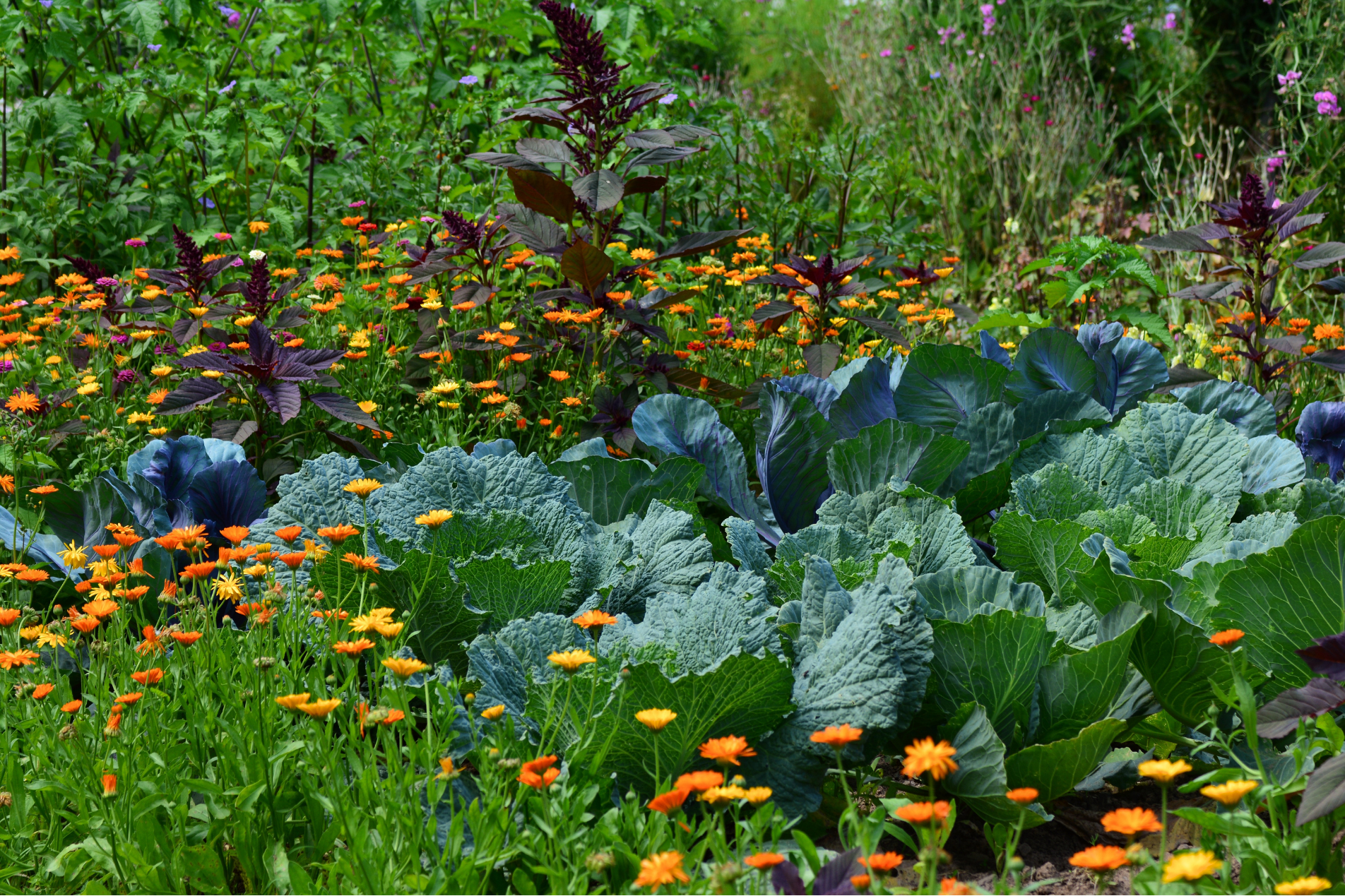
One of the best examples may be growing right outside our doors. Walk through a thoughtfully planned garden and you’ll find remarkably different plants living alongside one another. A sunflower towers above its neighbors. Thyme hugs the ground. A tomato plant sprawls across its cage. Flowers attract bees and other pollinators. Some plants provide shade for more delicate neighbors. Others attract beneficial insects or help protect the soil.
Each plant has a beauty and purpose all its own, and yet the garden becomes healthier because those individual plants are part of something larger. The sunflower doesn’t have to become thyme. The tomato doesn’t need to become a rose.
No plant becomes less itself by contributing to the garden.
In fact, its individuality is precisely what allows it to make its particular contribution. Maybe there’s something in that for us.
The Individual and the Collective
The late social psychologist Harry Triandis spent much of his career studying individualism and collectivism across cultures. One particularly interesting aspect of this work was the recognition that individuality and collectivism aren’t necessarily simple opposites. Among the distinctions he and other researchers explored was something called horizontal collectivism. Put simply, people can retain a strong sense of themselves as individuals while also understanding themselves as members of an interconnected community of equals.
When I first encountered that idea, I thought of the garden. A healthy community shouldn’t require us to become alike. It should benefit from our differences. One person teaches. Another grows food. Someone fixes things. Someone cares for children. Someone makes music. Someone starts a business. Someone notices the neighbor who hasn’t been outside for a few days and knocks on the door.
We don’t contribute the same things. That’s the point.
What Does the Garden Need From Me?
Our culture is very good at encouraging us to ask how far we can go. How successful can I become? How much can I accumulate? How many people will follow me? How can I distinguish myself?
I think about this particularly when we ecourage young people to imagine their futures. Undeterstandably, we want them to be successful and finacially secure. But I wonder if we sometimes make earning power too large a part of that conversation. What if, alongside asking what kind of career will provide a good living, we also encouraged them to ask what they have to contribute? What problems do they want to help solve? Whose lives might be better because of the work they choose to do? What does their particular corner of the garden need from them? A life devoted to teaching children, caring for others, growing food, protecting the natural world, creating beauty of strengthening a community may not always produce the largest paycheck. But surely there are measures of a successful life other than how much money one manages to accumulate.
Perhaps there’s another question worth asking:
What does the garden need from me?
That doesn’t mean abandoning ambition. It means expanding our definition of success. What if success isn’t measured solely by how high an individual can climb? What if it also includes how many people were strengthened along the way?
Our biggest problems certainly seem to be pointing us in that direction. Climate change cannot be solved individually. Neither can loneliness, poverty, political division or the breakdown of community. There are some things we simply cannot accomplish alone.
Perhaps We Were Designed to Belong
Human beings have always depended upon one another. Long before we had cities, corporations, smartphones and social media, we survived in groups. We shared food, protected one another, raised children together and depended upon the knowledge and skills of others. And yet today we have countless ways to announce ourselves to the world while many people struggle to feel genuinely connected to the people around them.
Maybe that’s worth thinking about.
Perhaps our mistake wasn’t learning to value individuality. Individuality gives the human garden its extraordinary variety. Maybe we simply forgot the other half of the equation. We weren’t made only to distinguish ourselves. We were made to contribute, cooperate, care for one another and participate in something beyond ourselves.
We were made to bloom.
But perhaps we were designed to belong.