
The False Choice: Affordability Today or a Livable Planet Tomorrow
Lately, I’ve found myself troubled not by what is said in our debates about affordability, but by what is left unsaid. We talk at length about inflation, wages, and household budgets, yet rarely acknowledge the environmental conditions that shape all of these pressures. That silence widens the gap between our short-term concerns and the long-term realities of a warming planet. When sustainability is omitted, we risk misunderstanding the roots of our economic anxieties and overlooking opportunities to address both crises together.
Affordability as a Symptom of an Extractive Economic Model
When public discussion narrows to rising rents, energy bills, healthcare costs, and wage stagnation, without referencing the ecological context, it reinforces a misleading belief: that affordability exists independent of the natural systems that support it. But our cost-of-living challenges are not separate from environmental decline; they emerge from the same extractive model that treats both people and the planet as expendable inputs.
This model suppresses immediate prices by externalizing environmental damage, burying it in polluted air, depleted soils, and destabilized climate systems. The result? Making life more expensive over time. Climate-driven disruptions to food production, supply chains, insurance markets, and energy grids raise everyday costs for households. Yet because sustainability is not part of the affordability conversation, we often fail to see how climate instability is already shaping the economic pressures families face.
Consumption: The Quiet Engine Behind Both Crises
A second consequence of omitting environmental sustainability from affordability debates is that it obscures the role of excessive consumption in driving both crises. The United States consumes resources at a rate far beyond what the planet can replenish, yet public discussions of cost of living almost never confront this reality. Instead, they focus on short-term relief: tax credits, subsidies, or interest rates. We fail to question the deeper cultural and economic expectations that fuel overconsumption.
That silence hides critical truths. Our car-dependent infrastructure imposes high transportation costs while generating emissions that intensify climate impacts. Our industrial food system prioritizes efficiency and scale over ecological resilience, raising long-term prices while degrading the land we depend on. Our disposable goods economy forces families into endless cycles of replacement while depleting natural resources.
By failing to name the environmental dimension, we misdiagnose the problem and keep treating symptoms rather than causes.
The Political Convenience of Leaving Sustainability Unsaid
The omission is not purely accidental. It is politically convenient. Leaving sustainability outside the affordability conversation shields entrenched interests and keeps the public focused on short-term fixes rather than systemic reforms. It allows critics to frame climate action as a threat to household budgets, even as fossil fuel volatility, extreme weather, and resource scarcity are already driving costs upward.
This selective silence reinforces the idea that environmental progress competes with affordability, when in reality ecological stability is a prerequisite for long-term economic stability. Without breathable air, arable soil, reliable water, and a predictable climate, affordability becomes a moving target, constantly undermined by forces we refused to confront.
A Unified Path Forward
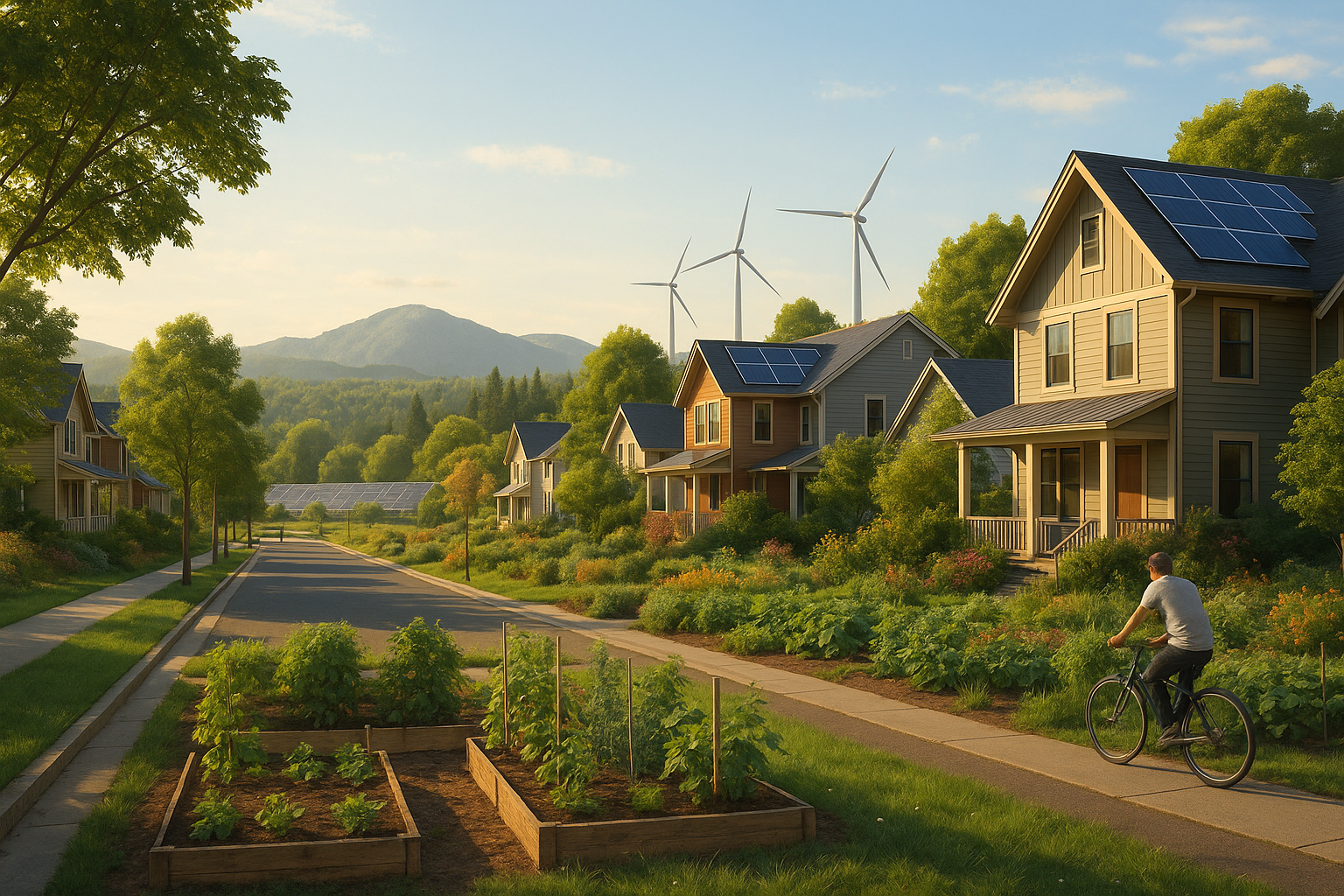
The first step toward breaking the false choice is simply bringing sustainability back into the conversation, recognizing that affordability and environmental health cannot be disentangled. Once that connection is visible, integrated solutions become not only possible but unavoidable:
Clean, resilient energy systems stabilize utility costs and reduce emissions.
Walkable, transit-centered communities lower household expenses while shrinking carbon footprints.
Regenerative agriculture protects food security and restores ecological balance.
Green, affordable housing reduces both rent burdens and energy usage.
Circular, durability-focused economies minimize waste and cut long-term consumer costs.
These solutions demonstrate that sustainability and affordability strengthen one another. They show that aligning our economy with ecological reality creates resilience, opportunity, and lasting prosperity.
Conclusion: Restoring What the Debate Has Lost
The true challenge is not choosing between affordability and sustainability. It is restoring environmental accountability to the conversations where it has long been absent. Without it, we chase short-term relief that deepens long-term vulnerability. With it, we can see clearly that a stable economy depends on a stable climate, and that affordability is inseparable from ecological resilience.
Our future depends on moving beyond this false choice. It depends on acknowledging that an economy built on exhaustion, of people or planet, cannot endure. A just and livable future will come only when we address our affordability crisis and our environmental crisis together, understanding that they have always been part of the same story.